

The turning of the Wheel of the Year reminds us that every season carries its own energy, lessons, and opportunities for reflection. As summer reaches its peak and the first signs of autumn begin to quietly appear, witches and pagans celebrate Lughnasadh, the first harvest festival of the year.
Also known as Lammas, Lughnasadh is a sacred time to honor abundance, gratitude, creativity, and the gifts that come from our hard work. It is a celebration of the first fruits of the harvest, a moment to appreciate what has grown in our gardens and in our lives, and a reminder that everything we create requires patience, dedication, and care.
In 2026, Lughnasadh falls on Saturday, August 1st in the Northern Hemisphere. In the Southern Hemisphere, where the seasons are reversed, Lughnasadh is observed around February 1st to mark the corresponding season and agricultural activities. This sabbat offers a beautiful opportunity to reconnect with nature’s cycles.
Our Lughnasadh Printable Guide is designed to help you create a meaningful celebration with rituals, correspondences, activities, journal prompts, and seasonal inspiration.
This post may contain affiliate links. If you choose to make a purchase through these links, I may earn a small commission at no additional cost to you. These commissions help support Moonfall Metaphysical and allow me to continue creating free content, guides, and resources for the community.
I only recommend products, books, and tools that align with the spirit of this content and that I believe may genuinely be interesting, useful, or inspiring to readers.
What is Lughnasadh?
Lughnasadh (pronounced LOO-nah-sah or LOO-nass-ah) is one of the eight sabbats celebrated on the Wheel of the Year, the seasonal cycle followed by many modern witches and pagans..
Traditionally, Lughnasadh marked the beginning of the harvest season. It was a time when communities gathered to celebrate the first harvest of grains, especially wheat, while giving thanks for the nourishment and abundance provided by the land.f
The name Lughnasadh is connected to Lugh, the Celtic god of light, skill, and craftsmanship, and the festival held in honor of his foster mother Tailtiu who was said to have cleared the land of Ireland for agriculture. Celebrated at the beginning of the harvest season, Lughnasadh marked the time when the first grains and fruits were gathered, providing nourishment while preserving seeds for future growth. As the sun’s strength begins to wane and summer slowly gives way to autumn, this sabbat reminds us of the cycles of transformation, renewal, and the balance between endings and new beginnings.
Historically, Lughnasadh celebrations included:
- Community gatherings and feasting
- Athletic competitions and games
- Storytelling and music
- Trading goods and crafts
- Honoring the land and the harvest
Today, modern witches often celebrate Lughnasadh as a time of gratitude, abundance magic, creativity, and reflection.
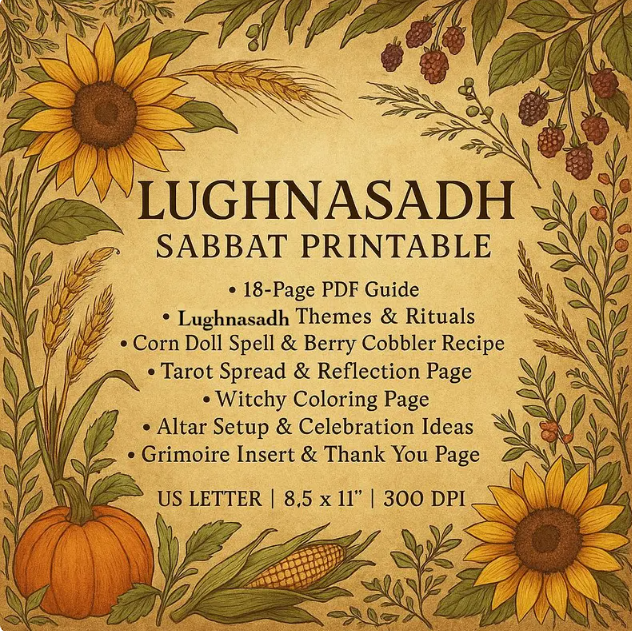
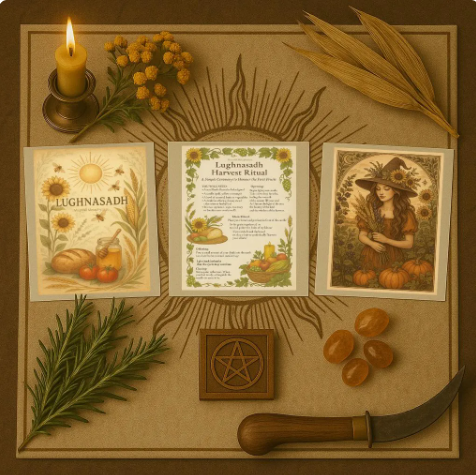
🌾 Want to Make the Most of Lughnasadh? 🌾
Don’t miss our beautifully crafted Printable Lughnasadh Guide packed with rituals, reflection prompts, correspondences, and simple ways to celebrate the first harvest. This guide is your perfect sabbat companion.
👉 [Download it here!]
When Is Lughnasadh 2026?
Lughnasadh 2026 is celebrated on Saturday, August 1st.
Traditionally, Lughnasadh is observed on August 1st, although some modern practitioners celebrate the sabbat according to astronomical timing, usually around the midpoint between the Summer Solstice (Litha) and the Autumn Equinox (Mabon).
Because Lughnasadh marks the beginning of the harvest season, its energy often feels like a bridge between summer and autumn. The days may still be warm and bright, but the natural world begins offering subtle reminders that change is approaching.
The first ripe fruits appear, gardens become abundant, and the season shifts from growth into gratitude.
Lughnasadh vs. Lammas: What Is the Difference?
You may see both Lughnasadh and Lammas used when discussing this sabbat. While they are closely connected, they have different historical origins.
Lughnasadh comes from ancient Celtic traditions and honors the harvest, community, and the god Lugh.
Lammas comes from an old English Christian harvest celebration meaning “loaf mass,” traditionally involving the blessing of the first loaf made from the newly harvested grain.
Over time, these celebrations became intertwined, and many modern witches use the names interchangeably. However, those wishing to connect specifically with Celtic traditions may prefer the name Lughnasadh.
The Spiritual Meaning of Lughnasadh
Lughnasadh carries powerful themes that can inspire both magical practice and personal reflection.
The First Harvest: Recognizing What Has Grown
The first harvest is a reminder that growth takes time.
Seeds planted months ago are finally producing something tangible. The same is true in our own lives. The intentions we set, the skills we practice, and the dreams we nurture may take time before we see results.
Lughnasadh invites us to pause and ask:
What have I grown this year?
This may include:
- Personal accomplishments
- New skills
- Relationships
- Creative projects
- Emotional healing
- Spiritual growth
The harvest is not only found in the fields. It can also be found within ourselves.
Gratitude and Appreciation
At its heart, Lughnasadh is a celebration of gratitude.
Before the harvest was brought in, communities recognized that their survival depended on the balance between human effort and the generosity of the natural world.
Modern witches may use this time to practice gratitude by:
- Creating a gratitude altar
- Writing down blessings
- Offering thanks to nature
- Sharing food with loved ones
- Reflecting on personal achievements
Gratitude is often considered a powerful form of abundance magic because it shifts our focus toward the blessings already present in our lives.
Abundance and Prosperity Magic
Because Lughnasadh celebrates the first harvest, it is strongly connected with abundance and prosperity.
This is an ideal time for magical workings involving:
- Success
- Financial growth
- Career goals
- Creativity
- Manifestation
- Personal confidence
The energy of Lughnasadh reminds us that abundance is created through both intention and action. Just as a farmer plants, tends, and eventually harvests crops, our goals require dedication and patience.
Creativity and Personal Gifts
Lugh is associated with craftsmanship and skill, making Lughnasadh a wonderful sabbat for honoring creativity.
This is a time to celebrate your talents and recognize the unique gifts you bring into the world.
You might celebrate by:
- Starting a creative project
- Learning a new skill
- Making handmade crafts
- Writing poetry or stories
- Practicing an artistic hobby
Lughnasadh encourages us to embrace the magic of creation itself.
The Legend of John Barleycorn and the Spirit of the Harvest
One of the most enduring harvest legends connected with Lughnasadh is the story of John Barleycorn, a symbolic figure who represents the life cycle of grain and the changing seasons.
John Barleycorn, also known as the Spirit of the Grain, is a figure from English and Scottish folklore who represents the life cycle of the harvest. His story reflects the themes of growth, sacrifice, transformation, and renewal that are central to Lughnasadh.
In traditional folklore, John Barleycorn personifies the barley crop. His story follows the journey of the grain as it is planted, grows beneath the summer sun, is harvested, and eventually transformed into food and drink that sustains the community.
While the story may seem tragic at first, it reflects one of the central teachings of the harvest season: life is a cycle of growth, transformation, and renewal.
The grain must be cut down in order to become something new. Through this transformation, it provides nourishment and ensures that seeds are preserved for future generations.
For many modern witches and Pagans, John Barleycorn represents the sacrifice found throughout nature… the understanding that endings often make space for new beginnings. His story reminds us to honor the work, energy, and gifts that sustain us.
During Lughnasadh, you may honor the spirit of the harvest by:
- Baking bread or preparing a grain-based meal
- Offering thanks for the food you receive
- Reflecting on what you have harvested in your own life
- Considering what needs to be transformed so new growth can occur
The legend of John Barleycorn beautifully reflects the message of Lughnasadh: what is gathered from the earth carries the energy of the cycles that created it.
Lughnasadh Correspondences: Colors, Herbs, Crystals, and Symbols
Every sabbat has its own unique energy, and correspondences can help us connect more deeply with the season. Lughnasadh is a celebration of the first harvest, so many of its traditional symbols reflect the warmth of the sun, the abundance of the earth, and the fruits of our labor.
These correspondences can be incorporated into your altar, Lughnasadh spells, rituals, crafts, candles, and seasonal decorations.
Lughnasadh Colors
The colors associated with Lughnasadh reflect the transition from the height of summer into the beginning of autumn.
Gold
Gold represents the sun, harvested grain, prosperity, and the abundance created through hard work.
Yellow
Yellow connects with solar energy, happiness, confidence, creativity, and success.
Creating a meaningful sabbat celebration does not have to be complicated. Having a collection of rituals, activities, correspondences, and reflection prompts in one place can make it easier to connect with the season.
Orange
Orange represents warmth, transformation, motivation, and the changing seasons.
Red
Red symbolizes passion, strength, courage, and the fiery energy of summer.
Brown
Brown represents the earth, grounding, stability, and our connection to nature.
Green
Green honors growth, plants, fertility, and the abundance of the natural world.
Lughnasadh Herbs and Plants
Many Lughnasadh herbs are connected with harvest, protection, prosperity, and the earth.
Wheat
Wheat is one of the most recognizable symbols of Lughnasadh. It represents nourishment, abundance, fertility, and the cycle of life, death, and rebirth.
Rosemary
Often associated with remembrance, protection, and purification, rosemary can be used in Lughnasadh cleansing rituals or altar decorations.
Basil
Basil is commonly associated with prosperity, success, protection, and abundance magic.
Chamomile
Chamomile connects with solar energy, peace, healing, and relaxation.
Mint
Mint is associated with prosperity, luck, vitality, and refreshing energy.
Sunflowers
Sunflowers embody the energy of the sun and symbolize happiness, loyalty, strength, and positivity.
Lughnasadh Crystals
Crystals can be added to your altar or used during meditation and ritual work to represent the themes of the season.
Citrine
Often associated with abundance, confidence, success, and manifestation.
Carnelian
A fiery stone connected with creativity, courage, motivation, and personal power.
Sunstone
A beautiful crystal for connecting with solar energy, joy, leadership, and optimism.
Tiger’s Eye
Associated with confidence, grounding, protection, and courage.
Green Aventurine
Often used for prosperity, growth, opportunity, and good fortune.
Lughnasadh Symbols
Symbols help us visually connect with the deeper meaning of a sabbat.
Common Lughnasadh symbols include:
Wheat and Grain
Representing the first harvest, nourishment, and the rewards of patience.
Bread
A reminder of transformation — simple ingredients becoming something nourishing through effort and intention.
Corn Dollies
Traditional harvest figures often made from wheat or corn stalks, representing the spirit of the grain and the abundance of the harvest.
Sunflowers
A symbol of the sun’s energy, joy, and the peak of summer.
Bees and Honey
Representing sweetness, community, cooperation, and the rewards of collective effort.
Harvest Fruits and Vegetables
Reflecting gratitude for the gifts of the earth.
How to Celebrate Lughnasadh 2026
There are many ways to honor Lughnasadh, whether you follow a formal spiritual path or simply want to connect with the changing seasons.
A meaningful celebration does not need to be elaborate. The magic of Lughnasadh comes from recognizing the abundance around us and taking time to appreciate the journey that brought us here.
Create a Lughnasadh Altar
A Lughnasadh altar can be as simple or elaborate as you wish. The goal is to create a space that represents gratitude, harvest, and abundance.
Consider decorating your altar with:
- Yellow, orange, or gold candles
- Fresh flowers
- Wheat bundles or dried grasses
- Seasonal fruits and vegetables
- Bread or baked goods
- Sunflowers
- Crystals connected with abundance
- Herbs such as rosemary, basil, or chamomile
- A journal for gratitude reflections
You can also add personal items representing things you have worked toward or blessings you wish to honor.
Bake Bread or Prepare a Harvest Meal
Bread is one of the most meaningful symbols of Lughnasadh.
The process of making bread mirrors the energy of the sabbat:
- Seeds are planted
- Crops are nurtured
- Grain is harvested
- Ingredients are transformed through creativity and effort
Baking bread can become a simple kitchen witch ritual by setting an intention while preparing your recipe.
As you mix, knead, and bake, you might reflect on:
- What you are grateful for
- What you have created this year
- What abundance you wish to welcome into your life
Other traditional Lughnasadh foods include:
- Corn
- Berries
- Apples
- Honey
- Fresh vegetables
- Nuts and seeds
- Seasonal fruits
- Herbal teas
Create a Gratitude Ritual
One of the simplest ways to celebrate Lughnasadh is through gratitude.
Try this simple ritual:
- Light a candle representing the warmth of the summer sun.
- Take a few moments to reflect on what has grown in your life.
- Write down three things you are grateful for.
- Place your gratitude list on your altar or in a sacred space.
- Spend time honoring the blessings you have received.
This ritual can be performed alone, with family, or as part of a larger Lughnasadh gathering.
Make a Corn Dolly or Wheat Bundle
Creating a corn dolly is a traditional harvest craft that many modern witches continue today.
Corn dollies can represent:
- The spirit of the harvest
- Fertility and abundance
- Protection for the home
- Connection to ancestral traditions
If working with real wheat or dried grasses is not practical, you can create a symbolic version using natural materials, paper, or fabric.
The act of crafting itself becomes part of the ritual… a way of honoring creativity and the gifts of the season.
Spend Time Outdoors
Lughnasadh is deeply connected with the land, making it a wonderful time to reconnect with nature.
Ideas for celebrating outdoors include:
- Walking through a garden or forest
- Harvesting herbs or vegetables
- Watching the sunset
- Collecting seasonal flowers
- Enjoying a picnic
- Visiting a local farmer’s market
Take a moment to notice what is changing around you. Lughnasadh reminds us that nature is always moving through cycles of growth, abundance, release, and renewal
Lughnasadh Rituals and Spell Ideas for 2026
Lughnasadh is a beautiful time for magical work focused on gratitude, abundance, creativity, and recognizing the rewards of your efforts. Unlike some sabbats that focus heavily on endings or transformation, Lughnasadh carries an energy of appreciation… taking a moment to acknowledge what has already grown while continuing to nurture what is still developing.
Lughnasadh magic can be adapted to fit your own spiritual practice.
Lughnasadh Abundance Ritual
Because Lughnasadh celebrates the first harvest, it is a powerful time to focus on abundance and prosperity intentions.
This ritual can be performed on your altar, outdoors, or in a quiet sacred space.
You Will Need:
- A candle (gold, yellow, orange, or white)
- A small bowl of grains, seeds, or herbs
- A piece of paper and pen
- A crystal associated with abundance, such as citrine or green aventurine
Ritual:
- Light your candle and take a few moments to connect with the energy of the harvest season.
- Hold your crystal and reflect on the blessings already present in your life.
- Write down the areas where you would like to welcome more abundance.
- Place your written intention beneath your candle or beside your harvest offering.
- Spend a few moments visualizing your goals growing, just as a seed grows into a harvest.
Remember that abundance magic is not only about receiving. Lughnasadh reminds us that abundance is created through patience, care, and consistent effort.
Lughnasadh Gratitude Spell
Gratitude is one of the strongest themes of this sabbat. This simple spell can help you honor the blessings, lessons, and experiences that have shaped your year.
You Will Need:
- A candle
- A journal or piece of paper
- A seasonal item such as a flower, grain, fruit, or herb
Spell:
Light your candle and place your seasonal item in front of you.
Write down:
- Three things you are grateful for
- One challenge that helped you grow
- One achievement you are proud of
- One blessing you hope to cultivate in the coming months
When you finish, place your gratitude list somewhere meaningful or add it to your Book of Shadows or journal.
The purpose of this spell is not to ignore difficulties but to recognize the growth that can come from our experiences.
Lughnasadh Release Ritual: Letting Go Before the Harvest
Although Lughnasadh is primarily a celebration of abundance, it also reminds us that every harvest requires change.
Plants must release their seeds. Seasons must shift. Old cycles must come to an end to make room for new growth.
This makes Lughnasadh a meaningful time to release:
- Old habits
- Limiting beliefs
- Negative thought patterns
- Things that no longer support your path
Simple Release Ritual:
- Write down something you are ready to let go of.
- Hold the paper and reflect on what this experience has taught you.
- Thank it for the lessons it brought.
- Safely tear the paper or place it away as a symbol of release.
- Replace the space with a positive intention for the future.
Release is not about forgetting the past. It is about creating room for the next season of growth.
Lughnasadh Protection and Home Blessing
As the seasons begin to shift, Lughnasadh is also a wonderful time to bless and protect your home.
A simple seasonal home blessing can include:
- Sweeping your home while setting an intention for renewal
- Burning cleansing herbs appropriate for your practice
- Placing protective herbs near entrances
- Creating a small harvest offering on your altar
Herbs often associated with protection include:
- Rosemary
- Basil
- Bay leaves
- Lavender
You can also create a seasonal charm using dried herbs, grains, or flowers to hang in your home.
Lughnasadh Altar Ideas
A Lughnasadh altar is a beautiful way to bring the energy of the harvest season into your sacred space.
Your altar does not need to be large or expensive. Even a small shelf, table, or windowsill can become a place of seasonal connection.
Here are some ideas:
Traditional Harvest Altar
Create a classic harvest display using:
- Wheat bundles
- Bread offerings
- Fresh fruit
- Grain bowls
- Candles in harvest colors
- Seasonal flowers
This style focuses on gratitude and honoring the gifts of the earth.
Kitchen Witch Lughnasadh Altar
For those who enjoy kitchen magic, celebrate through food and cooking.
Include:
- Fresh herbs
- Homemade bread
- Wooden utensils
- Seasonal recipes
- Jars of dried ingredients
- Honey
- Tea blends
Cooking itself becomes a magical act… transforming simple ingredients into something nourishing.
Garden Witch Lughnasadh Altar
If you have a garden, Lughnasadh is the perfect time to celebrate outdoors.
Add:
- Freshly harvested vegetables
- Garden flowers
- Herbs you have grown
- Seeds saved for next year
- Natural items found during walks
A garden altar connects directly with the cycle of planting, tending, and harvesting.
Simple Lughnasadh Altar for Beginners
If you are new to sabbat celebrations, start small.
Try:
- One candle
- A seasonal flower
- A piece of fruit
- A handwritten gratitude note
The meaning behind your altar matters far more than how elaborate it appears.
Lughnasadh Journal Prompts
Journaling is a powerful way to connect with the reflective energy of Lughnasadh.
Use these prompts during your celebration:
- What seeds have I planted this year that are beginning to grow?
- What accomplishments am I proud of?
- What lessons have I learned from challenges?
- What areas of my life feel abundant right now?
- What skills or talents do I want to continue developing?
- What would I like to harvest before the end of the year?
- What am I ready to release as the seasons change?
- How can I show more gratitude in my daily life?
These reflections can become part of your Book of Shadows, spiritual journal, or seasonal practice.
Celebrate Lughnasadh With a Printable Guide
Our Lughnasadh Printable Guide was created to help you celebrate the first harvest with intention.
Inside the guide, you’ll find seasonal inspiration including:
- Lughnasadh history and meaning
- Harvest correspondences
- Ritual ideas
- Altar inspiration
- Activities
- Journal prompts
- Ways to connect with the energy of the season
This printable guide can help you create a meaningful seasonal ritual.
Lughnasadh Foods and Recipes: Celebrating the First Harvest
Food has always been at the heart of harvest celebrations. For centuries, communities have gathered together to share meals, give thanks, and celebrate the gifts provided by the land.
Because Lughnasadh marks the beginning of the harvest season, traditional foods often focus on grains, fruits, vegetables, and anything that represents the abundance of late summer.
Preparing food for Lughnasadh can become a form of kitchen witchcraft. The simple acts of mixing, baking, cooking, and sharing allow us to infuse our meals with intention and gratitude.
As you prepare your Lughnasadh feast, consider setting an intention for each ingredient:
- Wheat or bread for nourishment and abundance
- Honey for sweetness and joy
- Herbs for healing and protection
- Fruits for gratitude and the gifts of nature
- Seeds for future growth and new beginnings
Traditional Lughnasadh Foods
Bread and Baked Goods
Bread is one of the most meaningful symbols of Lughnasadh traditions.
The transformation of grain into bread reflects the energy of the harvest itself — taking something grown from the earth and transforming it through human creativity and care.
Ideas for Lughnasadh baking include:
- Freshly baked bread
- Herb-infused loaves
- Cornbread
- Honey bread
- Fruit-filled pastries
- Harvest muffins
Many witches choose to bless their bread before eating by holding it and offering gratitude for the earth, the farmers, and the abundance that made the meal possible.
Corn and Seasonal Vegetables
Late summer gardens often provide an abundance of fresh vegetables, making Lughnasadh a perfect time for a garden-inspired meal.
Consider incorporating:
- Corn
- Squash
- Zucchini
- Tomatoes
- Peppers
- Potatoes
- Beans
- Fresh herbs
A meal created from your own garden harvest carries a special connection to the season’s energy.
Fruits of the First Harvest
Fruit represents sweetness, abundance, and the rewards of patience.
Seasonal Lughnasadh fruits may include:
- Apples
- Blackberries
- Blueberries
- Raspberries
- Plums
- Peaches
Fruit offerings can be placed on your altar, shared during a feast, or used in seasonal recipes.
Honey and Sweet Offerings
Honey has long been associated with prosperity, nourishment, and the sweetness of life.
Ways to incorporate honey into your celebration:
- Honey tea
- Honey cakes
- Drizzling honey over fresh fruit
- Adding honey to baked goods
A small offering of honey can also be placed on your altar as a symbol of gratitude.
Lughnasadh Feast Ideas
A Lughnasadh feast does not need to be elaborate. The focus is on gathering, gratitude, and celebrating abundance.
A simple harvest meal might include:
Main dishes:
- Fresh garden vegetables
- Roasted seasonal produce
- Grain-based dishes
- Homemade bread
Sides:
- Herb butter
- Fresh salads
- Corn dishes
- Seasonal soups
Desserts:
- Berry pies
- Honey cakes
- Fruit tarts
- Freshly baked cookies
Drinks:
- Herbal teas
- Apple cider
- Berry-infused water
- Homemade lemonade
Before eating, take a moment to acknowledge the effort and energy that went into creating the meal.
Lughnasadh and the Wheel of the Year
Lughnasadh is one of eight seasonal celebrations known as the Wheel of the Year. Together, these sabbats represent the changing cycles of the sun, the earth, and our own personal growth.
Each sabbat carries its own unique energy and teaches us something about the natural rhythms of life.
Yule — The Return of the Sun
Celebrated around the Winter Solstice, Yule marks the rebirth of the sun and the return of light after the darkest days of the year.
Themes:
- Renewal
- Hope
- Rebirth
- Inner reflection
Imbolc — The First Stirring of Spring
Imbolc celebrates the first signs of awakening beneath the surface of winter.
Themes:
- Inspiration
- Purification
- New beginnings
- Creativity
Ostara — The Spring Equinox
Ostara welcomes balance, fertility, and the arrival of spring.
Themes:
- Growth
- Renewal
- Planting intentions
- Balance
Beltane — The Celebration of Life and Fertility
Beltane marks the height of spring and celebrates passion, creativity, and connection.
Themes:
- Joy
- Fertility
- Love
- Vitality
Litha — The Summer Solstice
Litha celebrates the sun at its strongest point and honors warmth, light, and abundance.
Themes:
- Solar energy
- Confidence
- Growth
- Celebration
Lughnasadh — The First Harvest
Lughnasadh marks the beginning of the harvest season.
Themes:
- Gratitude
- Abundance
- Creativity
- Hard work
- Appreciation
Mabon — The Second Harvest
Mabon celebrates balance and thanksgiving as summer transitions into autumn.
Themes:
- Reflection
- Balance
- Gratitude
- Preparation
Samhain — The Final Harvest
Samhain marks the end of the harvest cycle and the transition into winter.
Themes:
- Ancestral connection
- Reflection
- Transformation
- Honoring the past
Lughnasadh FAQ
What Does Lughnasadh Mean?
Lughnasadh meaning is a Celtic harvest festival traditionally honoring the god Lugh and celebrating the beginning of the harvest season. Modern witches often observe it as a time of gratitude, abundance, creativity, and reflection.
How Do You Pronounce Lughnasadh?
Lughnasadh is commonly pronounced:
LOO-nah-sah
You may also hear:
LOO-nass-ah
Pronunciations can vary depending on regional traditions and language influences.
Is Lughnasadh a Pagan Holiday?
Yes, Lughnasadh is a traditional Celtic festival that has been incorporated into many modern Pagan and witchcraft practices.
Today, people celebrate Lughnasadh in different ways, including through rituals, seasonal crafts, feasts, and personal reflection.
What Is the Difference Between Lughnasadh and Lammas?
Lughnasadh is the original Celtic harvest festival associated with Lugh and Tailtiu.
Lammas is a later Christian harvest celebration centered around the blessing of bread made from the first harvested grain.
Many modern practitioners use the names interchangeably, while others prefer to distinguish between the two traditions.
What Should I Put on a Lughnasadh Altar?
Popular Lughnasadh altar items include:
- Wheat or grain
- Bread
- Candles in harvest colors
- Sunflowers
- Seasonal fruits
- Herbs
- Crystals such as citrine or carnelian
- Gratitude notes
- Harvest decorations
Your altar should reflect your own connection to the season rather than following a strict set of rules.
Can I Celebrate Lughnasadh Alone?
Absolutely. While traditional celebrations often involved community gatherings, modern witches can celebrate Lughnasadh through personal rituals, meditation, cooking, journaling, nature walks, or simply taking time to appreciate the season.
Celebrating Lughnasadh 2026: Honoring the Harvest Within
As the Wheel of the Year turns toward autumn, Lughnasadh offers us a moment to pause and appreciate the journey that brought us here.
The first harvest is not only about the crops growing in our fields. It is also about recognizing the personal harvests we gather throughout our lives; the lessons learned, skills developed, challenges overcome, dreams nurtured, and intentions that have begun to take root.
Lughnasadh reminds us that growth is rarely immediate. A seed does not become a harvest overnight. It requires patience, care, and trust in the process.
The same is true for our own goals and dreams.
This sabbat invites us to ask:
What have I created?
What have I learned?
What blessings have I gathered?
What do I want to continue growing?
Lughnasadh is an opportunity to reconnect with the abundance already surrounding you.
Create Your Own Lughnasadh Tradition
One of the beautiful things about modern witchcraft is that your practice can be personal and meaningful.
While historical traditions provide inspiration, there is no single “correct” way to celebrate Lughnasadh.
Your celebration might include:
- Baking a loaf of bread each year
- Harvesting herbs from your garden
- Creating a seasonal altar
- Writing intentions for abundance
- Making crafts with natural materials
- Sharing a meal with loved ones
- Spending time outdoors
- Reflecting on your personal growth
Over time, these small rituals become traditions that connect you with the turning of the seasons.
Download the Lughnasadh Printable Guide
If you are looking for a simple way to create a meaningful Lughnasadh celebration, our Lughnasadh Printable Guide brings together everything you need to honor this beautiful harvest sabbat.
Inside the guide, you’ll discover:
✨ Lughnasadh history and traditions
✨ Harvest correspondences
✨ Altar ideas and seasonal decorations
✨ Ritual inspiration
✨ Spell ideas
✨ Journal prompts
✨ Activities for celebrating the first harvest
✨ Ways to connect with nature’s cycles
This guide can help you create a more intentional and magical Lughnasadh experience.
Celebrate the first harvest, honor your growth, and welcome the abundance of the season.
Continue Exploring the Wheel of the Year
Lughnasadh is one part of the larger seasonal cycle celebrated throughout the year. Each sabbat carries its own lessons, traditions, and magical opportunities.
Explore more seasonal celebrations:
🌱 Imbolc Guide — Discover the traditions, rituals, and symbolism of the first signs of spring.
🌸 Ostara Guide — Celebrate the spring equinox with renewal rituals, altar ideas, and seasonal traditions.
🔥 Beltane Guide — Explore the fire festival of fertility, passion, and connection.
☀️ Litha Guide — Learn about the summer solstice, sun magic, and midsummer traditions.
🍂 Mabon Guide — Celebrate the second harvest with gratitude, balance, and reflection.
🌙 Samhain Guide — Explore the final harvest, ancestral connections, and the thinning veil.
❄️ Yule Guide — Discover winter solstice traditions, rituals, and ways to welcome back the light.
Related Lughnasadh and Harvest Articles
Continue your seasonal journey with these related topics:
- The Wheel of the Year: A Complete Guide to Pagan Sabbats
- August Lions Gate Portal 8/8
- The August Full Moon: Meaning, Rituals, and Spiritual Significance
- The Celtic Tree Calendar: Ancient Seasonal Wisdom
- The Hazel Tree: Celtic Tree Month Meaning and Magic
- Litha: The Summer Solstice Guide
- Mabon: The Autumn Equinox Harvest Celebration
- 10 Witchy Things to Do in August
These related articles can help you deepen your connection with seasonal magic, nature-based spirituality, and the changing cycles of the earth.
Lughnasadh and the Lion’s Gate Portal
While Lughnasadh is rooted in ancient harvest traditions, the days that follow bring another event many modern spiritual practitioners look forward to: the Lion’s Gate Portal on August 8. This annual alignment is often associated with personal growth, manifestation, and new opportunities.
Together, these two seasonal energies complement one another beautifully. Lughnasadh encourages us to pause and appreciate the abundance we’ve already cultivated, while the Lion’s Gate Portal invites us to set intentions for the next stage of our journey. Reflecting on your harvest before looking ahead can create a meaningful transition between gratitude and future growth.
Want to learn more? Explore our complete guide to the Lion’s Gate Portal 2026 for its spiritual meaning, rituals, and manifestation practices.
Closing Thoughts
Lughnasadh teaches us the importance of stopping to appreciate what has already grown.
In a world that often encourages us to constantly chase the next goal, this first harvest celebration reminds us to recognize the beauty of the present moment.
The harvest is not only found in fields of golden grain. It is found in every small victory, every lesson learned, every dream pursued, and every moment of growth.
As Lughnasadh arrives in 2026, take time to honor your own harvest.
Give thanks for what has flourished.
Release what no longer serves you.
And continue planting the seeds for the future you wish to create.
Blessed Lughnasadh. 🌾